After the Banjir: The Pest Problems Malaysian Homes Face in Monsoon Season
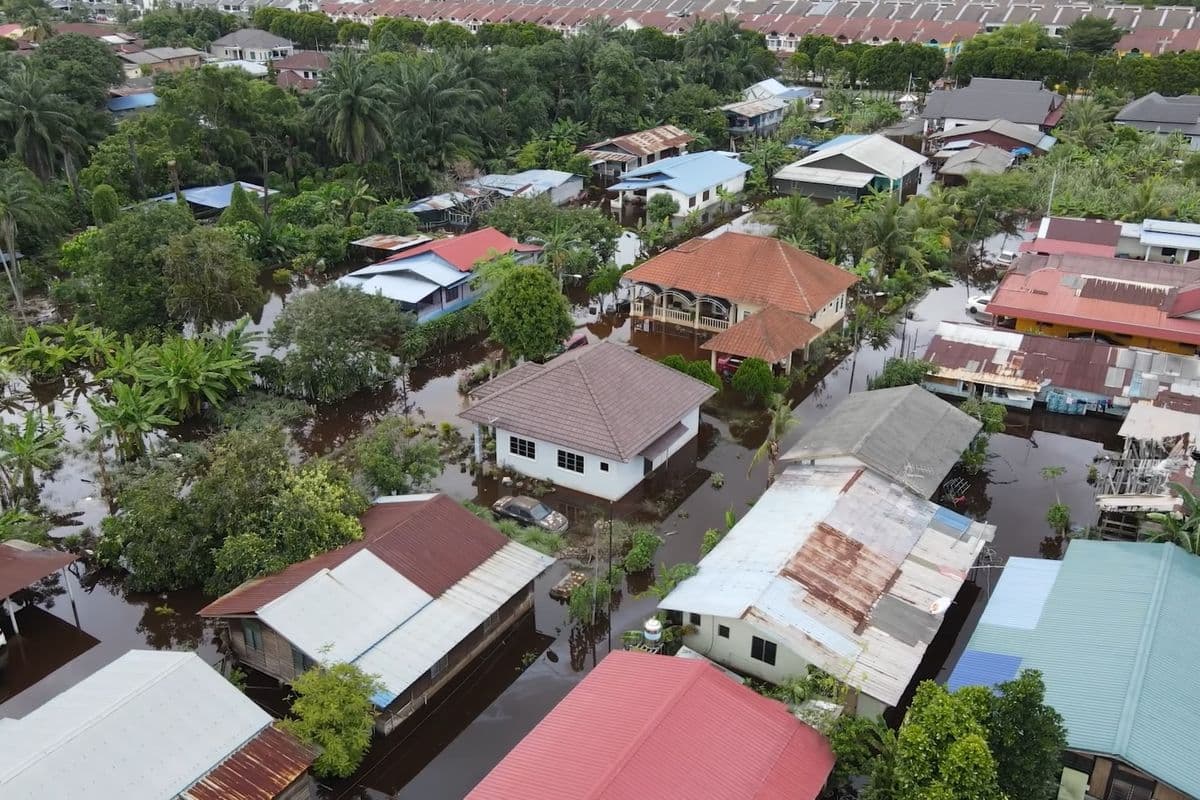
From November to March, the northeast monsoon brings Malaysia its heaviest and most sustained rain. East coast states usually feel it most, but intense storms and flash floods can hit the Klang Valley and other west coast towns too. Most attention goes to the water itself, and that's right. But floods and heavy rain also cause a predictable wave of pest problems that often shows up days or weeks later, after the water has gone down. Knowing which pests to expect, and why, makes the clean-up safer.
Why Floods Move Pests Into Homes
Pests don't arrive with a flood by accident. Rising water floods the places they normally live:
- Rats nest in burrows, drains, riverbanks, and sewer lines. When these fill with water, rats move to higher, drier ground. That often means homes, ceilings, and shop lots.
- Cockroaches, especially the large American cockroach common in Malaysian drains, get flushed out of the sewer and drainage system and come up through floor traps and drain covers.
- Ants whose nests are underground move upward and indoors to escape the water, sometimes carrying their brood with them.
After the water goes down, the conditions left behind suit pests just as well. There's soaked debris, spoiled food, damp walls, and containers full of rainwater.
Rats and Leptospirosis: The Biggest Post-Flood Concern
Rats matter most after a flood because of leptospirosis, known locally as kencing tikus ("rat urine disease"). It's a bacterial infection spread mainly through water or soil contaminated by the urine of infected animals, especially rats. The bacteria can enter the body through cuts or broken skin, or through the eyes, nose, or mouth. Wading through floodwater or cleaning flood-soaked debris with bare hands are common ways people get exposed.
Malaysian health authorities regularly warn about leptospirosis during flood season for this reason. Practical precautions during clean-up:
- Wear waterproof boots and rubber gloves when walking through floodwater or handling flood-soaked items
- Cover any cuts or wounds with waterproof plasters before starting
- Don't let children play in floodwater or in puddles left after a flood
- Throw away food and drinks that touched floodwater, including sealed packets with soaked packaging
- Wash hands thoroughly with soap and clean water after clean-up, and before eating
Not medical advice. Leptospirosis symptoms can look like flu or dengue at first, for example fever, headache, muscle pain (often in the calves), and red eyes. If you get symptoms in the weeks after flood exposure, see a doctor promptly and tell them you were in contact with floodwater.
Mosquitoes: The Second Wave
Rats arrive during the flood. Mosquitoes come later. Once the water goes down, it leaves thousands of small pools behind: water in discarded containers, blocked drains, tyres, upturned debris, and roof gutters full of leaves. These are ideal breeding sites for Aedes mosquitoes, which carry dengue. Their egg-to-adult cycle can take as little as 7–10 days in Malaysia's climate, so mosquito numbers often rise one to two weeks after a flood.
The fix is the same search-and-destroy routine covered in our guide on breaking the Aedes breeding cycle. The difference after a flood is how much ground there is to cover. Make a full walk around the compound part of the clean-up, not something for later.
Cockroaches, Flies, and Ants During Clean-Up
Flood debris, spoiled food, and soaked rubbish attract flies and cockroaches quickly, and flies can breed in rotting organic waste within days. Practical steps:
- Get rubbish out quickly. Bag spoiled food and soaked organic material and put it out for collection as soon as you can. Don't pile it beside the house.
- Clean and disinfect floor traps and drains, then keep floor trap covers closed, since cockroaches use drains as their main way in
- Keep salvaged dry food in hard, sealed containers, because ants and cockroaches search harder for food after their usual sources are disrupted
The Delayed Risk: Termites and Damp Timber
One post-flood pest problem often doesn't appear for months. Subterranean termites, which are very common in Malaysia, need moisture, and flood-soaked timber, damp walls, and wet soil under the slab suit them well. Door frames, skirting boards, built-in cabinets, and wooden floors that stay damp after a flood are at higher risk. Termite damage also usually happens out of sight. Our guide to how subterranean termite colonies work explains why the mud tubes you can see are only a small part of the colony.
Dry out timber and walls as thoroughly as possible, using fans and open windows, and keep an eye out for mud tubes along walls and floors in the months after a flood.
A Post-Flood Pest Checklist
Once it's safe to go back in:
- Protect yourself first: boots, gloves, covered wounds
- Clear spoiled food and soaked organic waste within the first day or two
- Disinfect floors, drains, and floor traps, and keep drain covers closed
- Look for signs of rats: droppings, gnaw marks, or nesting material in ceilings, cabinets, and storerooms
- Walk the whole compound for standing water and tip out, drain, or treat every container, then repeat weekly for the next month
- Dry out timber and walls, and check for termite mud tubes over the following months
For homes and especially for business premises such as restaurants, food factories, and warehouses, many owners book a professional post-flood inspection rather than just reacting to pests as they appear. That's how commercial pest control providers in Malaysia like PestSol usually handle it. A structured site inspection after the water goes down covers rodent entry points, drain-borne cockroaches, mosquito breeding sources, and termite-prone damp areas in one visit. Catching these early is usually much cheaper than dealing with an established rat population or termite damage months later.
Key Takeaways
- Floods push rats, cockroaches, and ants out of drains and burrows and into homes
- Leptospirosis (kencing tikus) is the main health risk after a flood: wear boots and gloves, cover cuts, and see a doctor if you develop fever after flood exposure
- Expect more mosquitoes one to two weeks after the water goes down, and check every container on the property
- Flood-soaked timber and damp walls raise termite risk, so watch for mud tubes in the months afterwards
- A structured post-flood inspection is easier and cheaper than reacting to pests one by one later