Breaking the Aedes Breeding Cycle: How Mosquito Control Actually Works in Malaysia
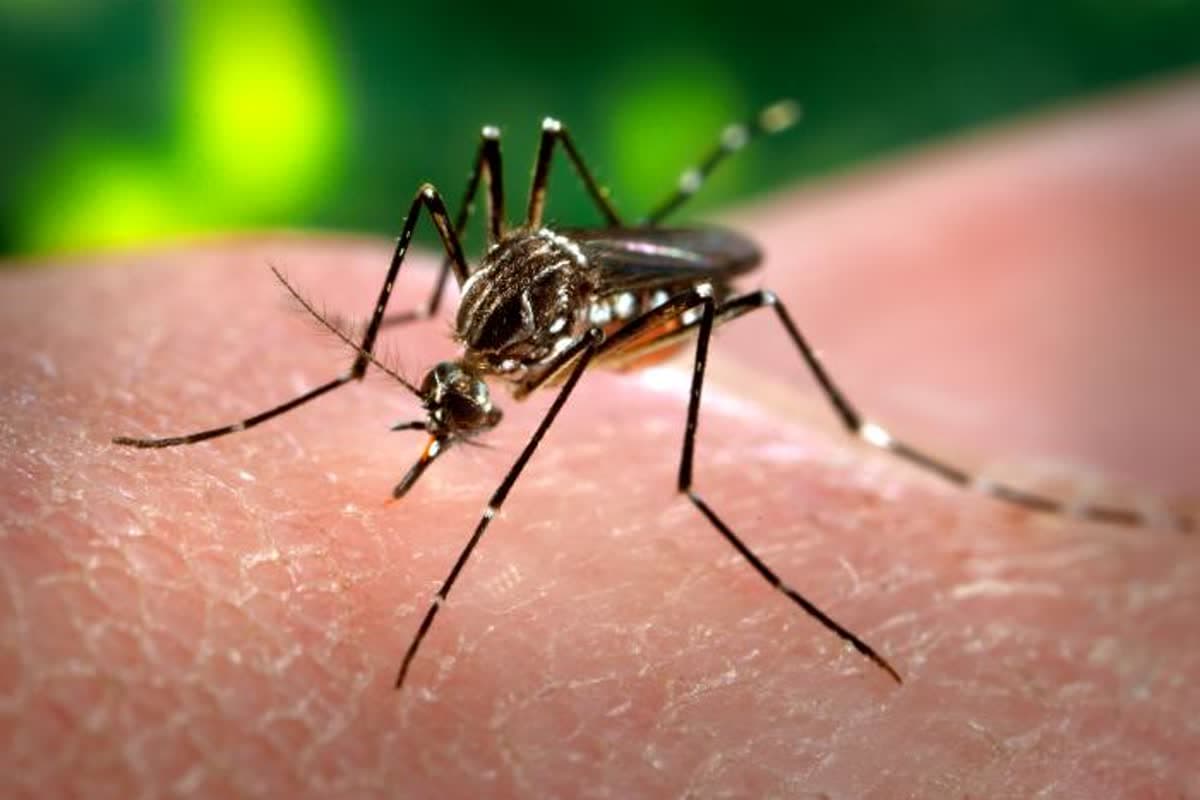
Fogging is the image most people in Malaysia associate with mosquito control — a truck or handheld machine rolling through a neighbourhood in a cloud of white smoke. It's also one of the least effective tools on its own, because it only kills the adult mosquitoes flying around at that exact moment. Understanding why means understanding how Aedes aegypti, the mosquito behind most dengue transmission here, actually lives and breeds.
Why Aedes Is Different From "Normal" Mosquitoes
Most people picture mosquitoes breeding in obvious dirty water — ditches, ponds, stagnant drains. Aedes aegypti does the opposite. It prefers small volumes of clean, still water close to human homes: a flowerpot saucer, a discarded tyre, a clogged roof gutter, an air-conditioner condensation tray, even a bottle cap left out after rain. A female can lay eggs across several of these sites rather than one, and the eggs can survive dry conditions for months, hatching as soon as they're re-flooded.
This is also why Aedes is a daytime biter, unlike the night-biting mosquitoes many people expect — peak biting activity is in the early morning and late afternoon, which matters for when personal protection actually needs to be used.
Why a Single Fogging Round Doesn't Solve It
Fogging (thermal or ULV cold fogging) kills adult mosquitoes present in the air at the time of treatment. It does nothing to:
- Eggs, which can survive for months in a dry container
- Larvae, which are underwater and unaffected by an airborne mist
- Pupae, the stage just before adulthood
Because a female Aedes can complete an egg-to-adult cycle in as little as 7–10 days in Malaysia's climate, a breeding source left untreated simply produces a new generation of adults within one to two weeks of a fogging round — which is why health authorities have moved away from treating fogging as a standalone solution and instead frame it as one part of an integrated response, usually only escalated once an area already has a confirmed case cluster.
The Search-and-Destroy Approach That Actually Works
The control method with the best evidence behind it is source reduction — physically eliminating or disrupting standing water before mosquitoes can use it:
- Inspect weekly, not occasionally. The egg-to-adult cycle is short enough that a source checked once a month can produce two or three generations in between checks.
- Empty, not just cover. A saucer or container that's covered but still holds water after rain isn't fixed — it needs to be tipped out or have drainage added.
- Treat what can't be emptied. Roof gutters, ornamental ponds, and rainwater harvesting tanks that must hold water can be treated with larvicide (such as temephos sand granules) rather than left untreated.
- Check vertical surfaces too, not just ground level — AC units, rooftop drains, and building ledges are commonly missed during a ground-level walkthrough.
For a business premises or larger compound, this is usually organised as a scheduled site inspection with a documented checklist (similar in structure to how PestSol runs vector inspections for commercial clients) rather than a one-off spray — because the whole point is to catch a new breeding source before it produces adults, not to react after mosquito numbers have already gone up.
Personal Protection Still Matters
Source reduction reduces the mosquito population over time, but it doesn't make it zero overnight, so individual protection remains worthwhile — especially since Aedes bites mostly during the day:
- Repellent containing DEET or picaridin on exposed skin during peak biting hours
- Long sleeves and pants when spending time outdoors early morning or late afternoon
- Window and door screens in good repair, since Aedes can breed and rest indoors as easily as outdoors
When to Escalate
A single mosquito sighting doesn't call for fogging. What generally does call for a more active response is a confirmed dengue case in the immediate area, a rapid rise in mosquito activity despite source reduction, or a site (such as a factory, school, or hospital compound) where inspection has already turned up active breeding. At that point, fogging targets the existing adult population while source elimination stops the next generation from replacing it — the two need to happen together, not as alternatives to each other.
This article covers general Aedes ecology and prevention practice and is not medical advice. Anyone showing dengue symptoms — high fever, severe headache, joint or muscle pain, or a rash — should seek medical attention rather than self-diagnose.