Inside a Termite Colony: How Malaysia's Subterranean Termites Build, Forage, and Spread
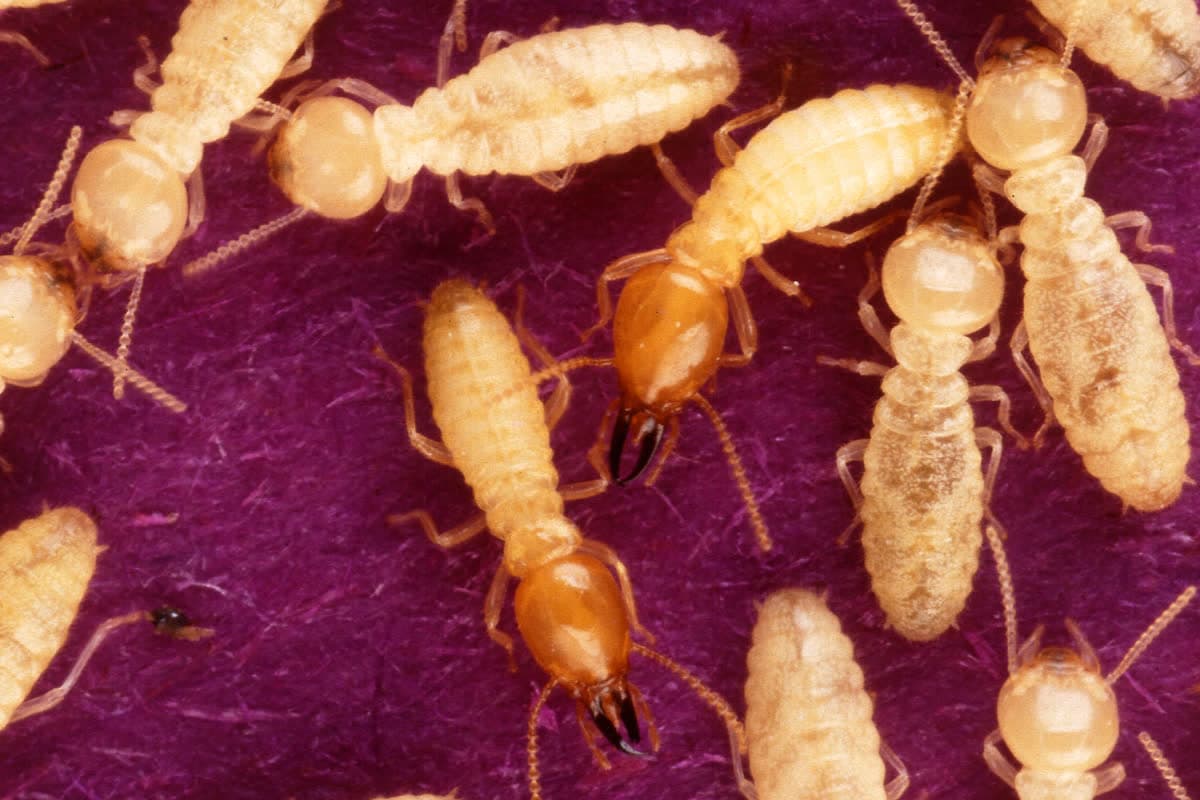
By the time a homeowner or facility manager in Malaysia spots a mud tube running up a wall or foundation, the colony behind it has usually been established for a long time — often several years. Subterranean termites, particularly Coptotermes gestroi and Coptotermes curvignathus, are the species most commonly responsible for structural termite damage across Peninsular Malaysia, and understanding how their colonies actually operate explains why a visible tube is a late warning sign, not an early one.
A Colony Is a Single Organism in Practice
A mature subterranean termite colony can hold anywhere from tens of thousands to over a million individuals, organised into castes:
- Workers — the vast majority of the colony, blind and soft-bodied, responsible for foraging, feeding the rest of the colony, and building the mud tubes that protect their travel routes from light and dry air
- Soldiers — fewer in number, with enlarged mandibles or a modified head, whose sole job is defending the colony against ants and other threats
- Reproductives — the king and (usually one) primary queen, who can live for a decade or more and produce most of the colony's offspring; a mature queen's abdomen swells dramatically as she becomes an egg-laying organ producing thousands of eggs over her lifetime
Because workers cannot survive long in open air or light, every visible surface trail is covered — the mud tubes people spot are essentially covered highways, built from soil, saliva, and partially digested wood, connecting the underground nest to a feeding site.
Why Malaysia's Climate Suits Them So Well
Subterranean termites need consistent moisture to survive, and Malaysia's year-round warmth and humidity remove the seasonal die-back that limits termite activity in temperate countries. There's no winter dormancy here — foraging, feeding, and colony growth continue through the year, which is a large part of why termite pressure on buildings is a persistent baseline risk in Malaysia rather than a seasonal event to plan around.
Foraging Range Is Bigger Than Most People Assume
Subterranean termite colonies don't stay put under one structure — foraging workers can range widely underground from a single central nest, which is why:
- A colony feeding on your neighbour's landscaping timber, an old tree stump, or buried construction debris can already be within reach of your own structure
- Treating only the point where damage is visible often misses the nest and the majority of the foraging tunnel network entirely
- Bait station systems are placed at intervals around a structure's perimeter specifically because the goal is to intercept foraging workers wherever they happen to be travelling, not to find the nest directly
Reading the Early Signs Before Structural Damage Shows
Because workers avoid exposure, damage is often advanced by the time it's visible. Signs worth checking for periodically:
| Sign | What it usually means |
|---|---|
| Pencil-width mud tubes on foundations, pillars, or walls | Active foraging route between the nest and a feeding site |
| Hollow-sounding timber when tapped | Wood has been fed on from the inside, leaving only a thin outer shell |
| Discarded, translucent wings near windows or lights | A swarming event (alates leaving to found a new colony) has recently occurred nearby |
| Soil-like material packed into wood cracks or door frames | Frass or shelter material left by an active feeding site |
A swarming event in particular is worth taking seriously — it means a nearby colony is mature enough to be producing new reproductives, and a percentage of those swarmers can succeed in founding satellite colonies close to where they land.
Why Colony-Level Treatment Beats Spot Treatment
Because a colony is a single interconnected network fed by one or a small number of reproductives, killing the workers visible at one mud tube doesn't eliminate the colony — it can regrow that foraging point within weeks. This is the same logic behind why bait systems (which rely on slow-acting toxicants shared between individuals through mutual feeding and grooming, eventually reaching the reproductives) are generally more effective long-term than a localised chemical spot treatment, and why a proper inspection maps out suspected colony activity across a whole property rather than just the point where a tube was first spotted — the same perimeter-mapping approach PestSol and other Malaysian providers use when scoping a termite treatment plan.
Practical Prevention Around the Property
- Remove tree stumps, buried timber, and untreated wood-to-soil contact near the structure, since these serve as an easy bridge into a building
- Keep mulch and garden beds from touching the foundation directly
- Address any moisture buildup around the foundation — leaking pipes, poor drainage, or AC condensation runoff — since consistent dampness is what draws foraging workers toward a structure in the first place
- Have suspected mud tubes inspected rather than simply brushed off or painted over, since removing the visible tube without addressing the colony behind it does nothing to stop the activity
This article covers general subterranean termite biology and is not a substitute for an on-site inspection, since colony location and extent of damage can only be confirmed in person.