Termite Treatment Cost in Malaysia: Why Quotes Range From RM800 to RM5,000
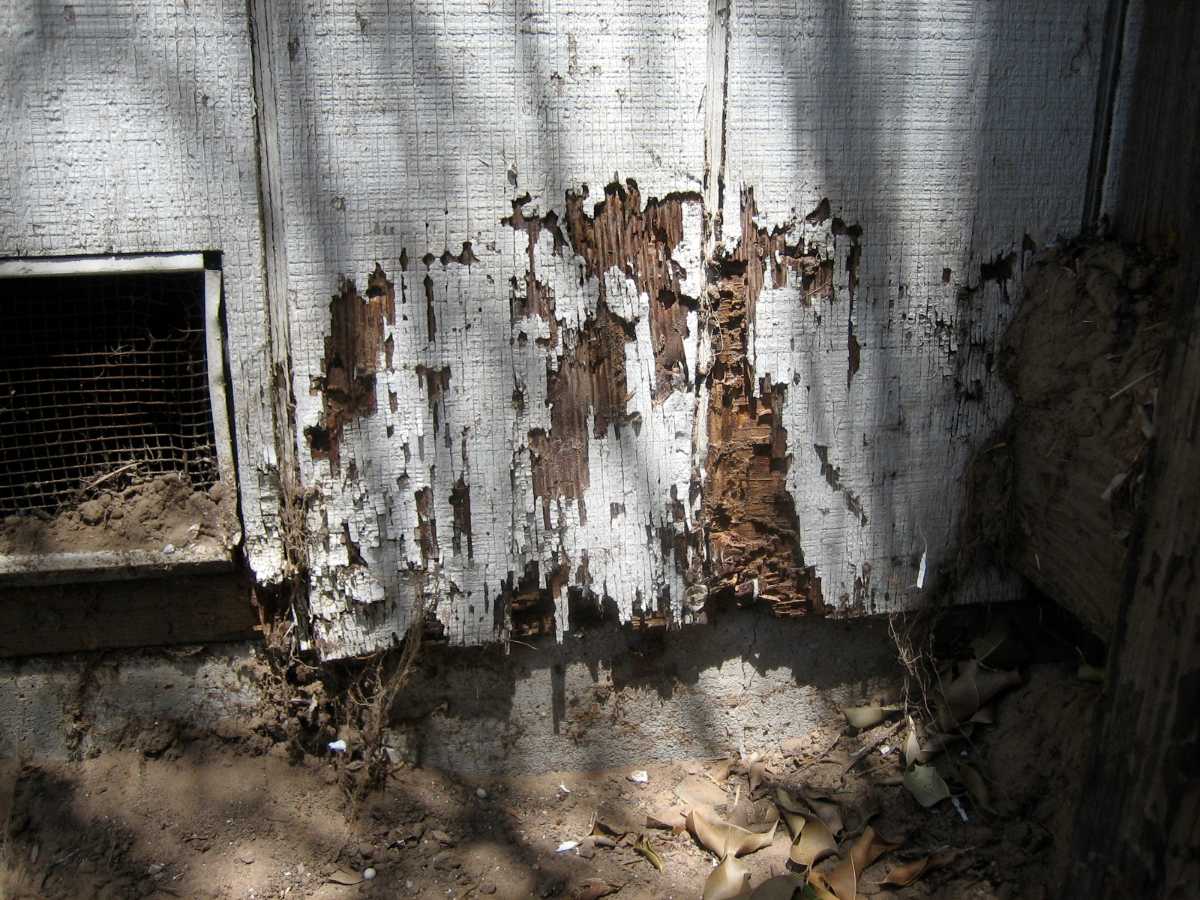
Ask three pest control companies in Malaysia to quote for termites and you can easily get three very different numbers: one under RM1,000, one around RM3,000, and one close to RM5,000. It's natural to assume the cheapest one is the good deal, or that the expensive one is overcharging. In most cases, neither is true. The quotes are usually for three different things.
This guide explains what's behind the price, so you can compare quotes on what you're actually getting.
Typical Price Ranges in Malaysia
Published price guides from pest control providers in the Klang Valley give a rough picture of the market for a typical landed home:
| Treatment | Typical range (RM) | What it's for |
|---|---|---|
| Spot spray on visible termites | A few hundred | Kills termites you can see; does not reach the colony |
| Baiting system | About 850–3,000 | Eliminating an active colony |
| Soil treatment, 3-year | About 3,600–4,000 | Chemical barrier around an existing building |
| Soil treatment, 5-year | About 4,500–5,000 | Longer barrier with a longer warranty |
| Pre-construction treatment | About 1,200–1,300 | Treating the soil before the floor slab is laid |
These are indicative figures only. A condominium unit, a double-storey terrace, a bungalow, and a factory will all price very differently, and any honest quote should come after an inspection, not over the phone.
The Five Things That Actually Drive the Price
1. Whether the Goal Is to Kill the Colony or Just the Termites You Can See
This is the biggest reason for the gap between quotes. A subterranean termite colony lives underground and can hold hundreds of thousands of termites. The ones you see in a door frame or mud tube are a tiny fraction of it.
A spot spray kills the visible workers, and the damage appears to stop. But the colony is untouched, and it usually starts feeding again somewhere else in the house within weeks. Baiting and soil treatment cost more because they are designed to deal with the colony, not the symptom.
2. Baiting vs Soil Treatment
- Baiting uses stations containing a slow-acting bait. Worker termites carry it back and share it through the colony until it collapses. It takes several weeks, involves no drilling, and is the usual choice when termites are already active.
- Soil treatment creates a chemical barrier in the soil around and under the building so termites can't get in. It often involves drilling through floor tiles or concrete along the walls, which adds labour and cost.
Many properties end up with both: baiting to eliminate the active colony, then a soil barrier to protect the house afterwards.
3. Size and Layout of the Property
Soil treatment is priced mainly on the length of the building's perimeter and how much floor needs drilling. A corner house, an extension, a porch, or a tiled garden area all add length and labour.
4. How Far the Infestation Has Spread
One affected door frame is a very different job from termites in the roof, the kitchen cabinets, and three door frames. More activity means more bait stations, more monitoring visits, and more time.
5. The Warranty
A longer warranty costs more because the company is committing to come back and re-treat for free if termites return. When comparing quotes, check what the warranty actually covers. Most termite warranties are a promise of free re-treatment, not compensation for damage.
Warning Signs in a Quote
Be careful when a quote:
- Is very low for an active infestation. A price of a few hundred ringgit for live termites in the house usually means a surface spray, not colony elimination.
- Has no inspection. Nobody can price a termite job properly without checking the property.
- Comes from a company that can't show a pest control operator licence. Under Malaysia's Pesticides (Pest Control Operator) Rules 2004, pest control companies must be licensed by the Pesticides Board and may only use registered pesticides. It's reasonable to ask to see the licence before any work starts.
- Doesn't state the method. It should say whether it's baiting, soil treatment, or both, and roughly how many stations or how many metres.
- Promises instant results. Real colony elimination by baiting takes weeks, and the company should schedule monitoring visits.
- Has a vague warranty. It should state the period, what's covered, and whether follow-up inspections are included.
Is the Expensive Option Worth It?
Termite damage is rarely cheap to repair. Replacing door frames, kitchen cabinets, wooden flooring, or roof timbers can easily cost more than the treatment itself, and damage is often discovered late because termites feed from the inside. For most homeowners with an active infestation, paying for proper colony treatment once costs less than paying for a cheap spray three times and repairing the damage in between.
A good company will show you the evidence during the inspection, explain why they recommend baiting, soil treatment, or both, and put the method, number of visits, and warranty in writing. Malaysian providers such as PestSol typically do an on-site inspection first and price the treatment on the property's actual layout and level of activity, which is why a proper quote can look higher than a phone estimate but tends to hold up better over time.
Key Takeaways
- Termite quotes in Malaysia vary widely because they're often for different treatments, not the same job at different prices
- A spot spray only kills the termites you can see; baiting and soil treatment target the colony and cost more for that reason
- Property perimeter, amount of drilling, spread of the infestation, and warranty length are the main cost drivers
- Very cheap quotes for an active infestation, quotes without an inspection, and vague warranties are warning signs
- Compare quotes on method, number of visits, and warranty terms, not only the final number
Prices in this article are indicative ranges drawn from publicly available Malaysian pest control pricing and will vary by property and provider. An on-site inspection is the only way to get an accurate quote.