Pest Control Requirements for Food Manufacturing Plants in Malaysia: MeSTI, GMP, HACCP & Halal Explained
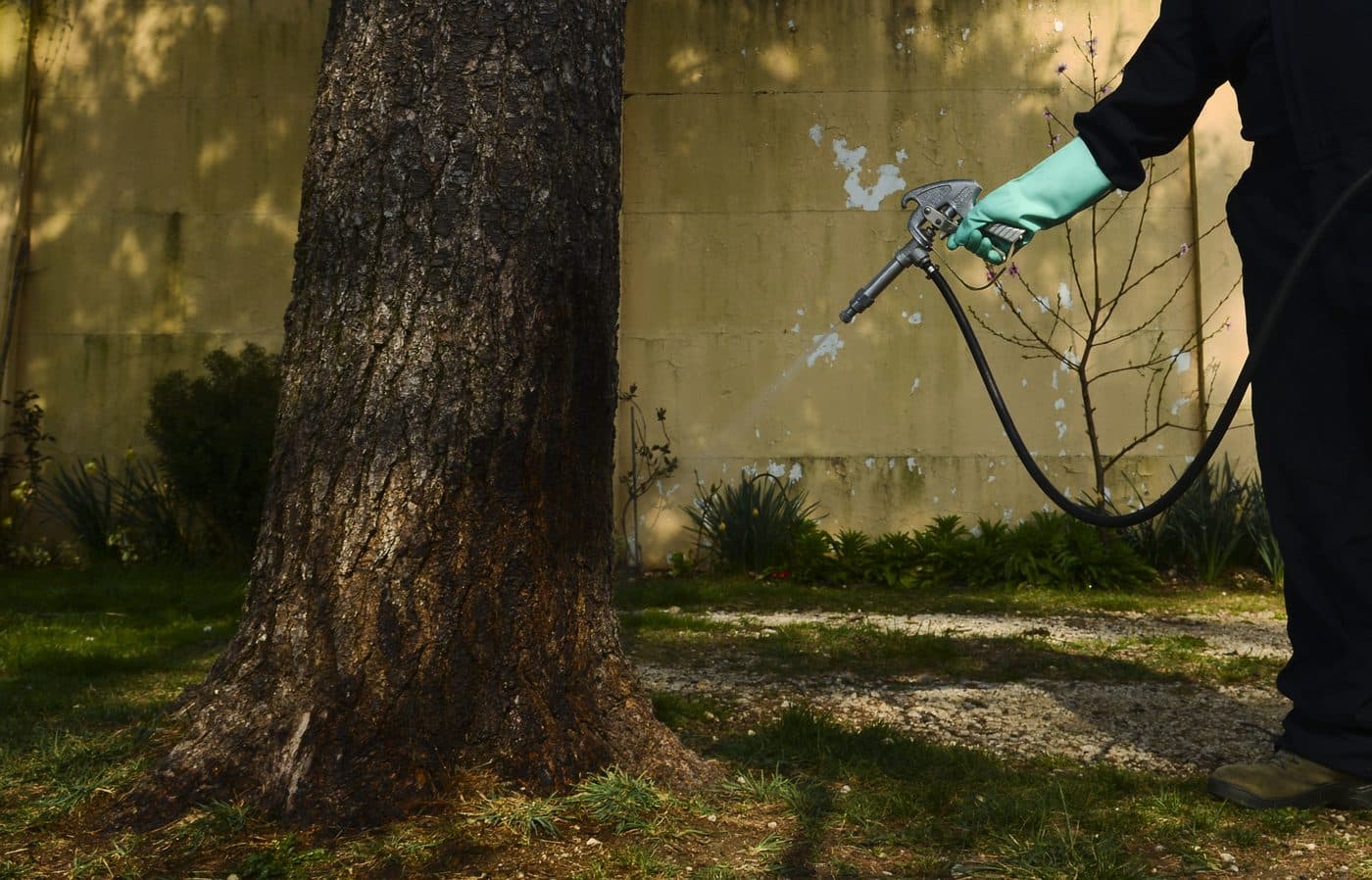
For a food manufacturing facility in Malaysia pursuing MeSTI, GMP, HACCP, or JAKIM Halal certification, pest control is not a side task handled by whoever happens to be free that day — it's a formal Prerequisite Programme (PRP) and a core part of Halalan Toyyiban compliance. When JAKIM or KKM auditors arrive for an on-site audit, one of the very first things they ask to see is the facility's Pest Control Logbook.
Why Pest Control Gets This Much Attention
Auditors treat pest activity as a direct proxy for how seriously a facility takes food safety generally. A single cockroach sighting, a poorly documented bait station, or an expired MSDS on file can trigger deeper scrutiny across the entire audit — because if pest control is being handled loosely, auditors assume other prerequisite programmes probably are too.
What a Compliant Pest Control Programme Actually Covers
1. Structural Proofing
- Door gaps must not exceed 6mm (the industry benchmark, drawn from international AIB food-safety audit standards rather than MeSTI/GMP/HACCP regulation text itself) — a common failure point auditors check with a physical gauge
- Drain covers and exhaust vents need intact pest-proof mesh
- Raw material stores, processing areas, and packaging areas ideally have air curtains and double-door buffer zones at entry points
2. Non-Chemical Treatment in Exposed Food Areas
This is the single most important rule for food manufacturers: no liquid spray or aerosol chemical treatment in any area where food is exposed. Processing floors must rely entirely on physical controls — sealed gel baiting at cracks and crevices (never on exposed surfaces), mechanical rodent traps instead of poison bait, and UV insect light traps instead of chemical fogging. Chemical treatment, where used at all, is restricted to the building perimeter, using only agriculture-department-registered products with a complete MSDS on file.
3. A Three-Line-of-Defense Monitoring Layout
Professional programmes typically map the facility into three monitoring zones with individually numbered devices:
- Perimeter — tamper-resistant, lockable rodent bait stations
- Building exterior walls — physical monitoring boxes and glue boards
- Interior processing and storage areas — insect light traps (ILTs) and mechanical traps only
Every device gets a unique ID (e.g., R-01 through R-25 for rodent stations) that's mapped onto a facility layout diagram — this map is one of the first documents an auditor will ask to see.
The Six-Part Compliance Logbook Auditors Expect
- Licensing documents — the pest control company's business licence, Pesticides Act 1974 (Akta Racun Makhluk Perosak) applicator licence, technician certification, and public liability insurance
- MSDS and pesticide registration — full safety data sheets and Label Registration Certificates for every product used on site
- Device layout map — the numbered monitoring point diagram described above
- Per-visit service reports — date, areas checked, pest species and counts found at each point, chemicals used (with batch number and dilution ratio), and any corrective action photos
- Trend analysis reports — monthly or quarterly charts tracking fly counts, rodent activity, and cockroach hit rates by zone, with root-cause notes when numbers spike
- ILT UV intensity test records — insect light trap tubes lose effective UV output over time (the effective range is roughly 350–365nm); auditors expect a documented test every six to twelve months
A Quick Self-Check Before Your Next Audit
| Audit focus | What to have ready |
|---|---|
| Chemical contamination risk | A written non-chemical treatment declaration for exposed food areas, plus full MSDS set |
| Device maintenance | Up-to-date device inspection log for every numbered point |
| Response to pest sightings | A documented Corrective and Preventive Action (CAPA) process |
| Ongoing monitoring | Monthly/quarterly trend analysis report, not just individual service tickets |
Getting This Right the First Time
Retrofitting a compliant pest control programme after a failed audit is far more disruptive than setting one up correctly from the start — it usually means re-mapping the entire facility, re-training staff on the new logbook process, and going through a second audit cycle. Established Malaysian providers such as PestSol generally build their food-manufacturing service around this exact six-part logbook structure from day one, precisely to avoid that retrofit scramble. If your facility is preparing for MeSTI, GMP, HACCP, or JAKIM Halal certification and your current pest control setup doesn't produce documentation like this as a matter of routine, it's worth a proper review before the auditors show up rather than after.
This overview reflects publicly available MeSTI, GMP, HACCP, and JAKIM Halal guidance and is not a substitute for direct confirmation with your certification body or auditor, since specific requirements can be updated and vary by facility.