How to Get Rid of Cockroaches: A Complete Guide
Cockroaches are one of the most common — and most resilient — household pests in the world. They can survive on almost nothing, squeeze through gaps as thin as a coin, and reproduce fast enough that a small problem becomes a serious infestation within weeks. Getting rid of them for good takes more than a single can of spray; it takes a systematic approach.
Identify the Species First
Not all cockroaches behave the same way, so treatment differs by species.
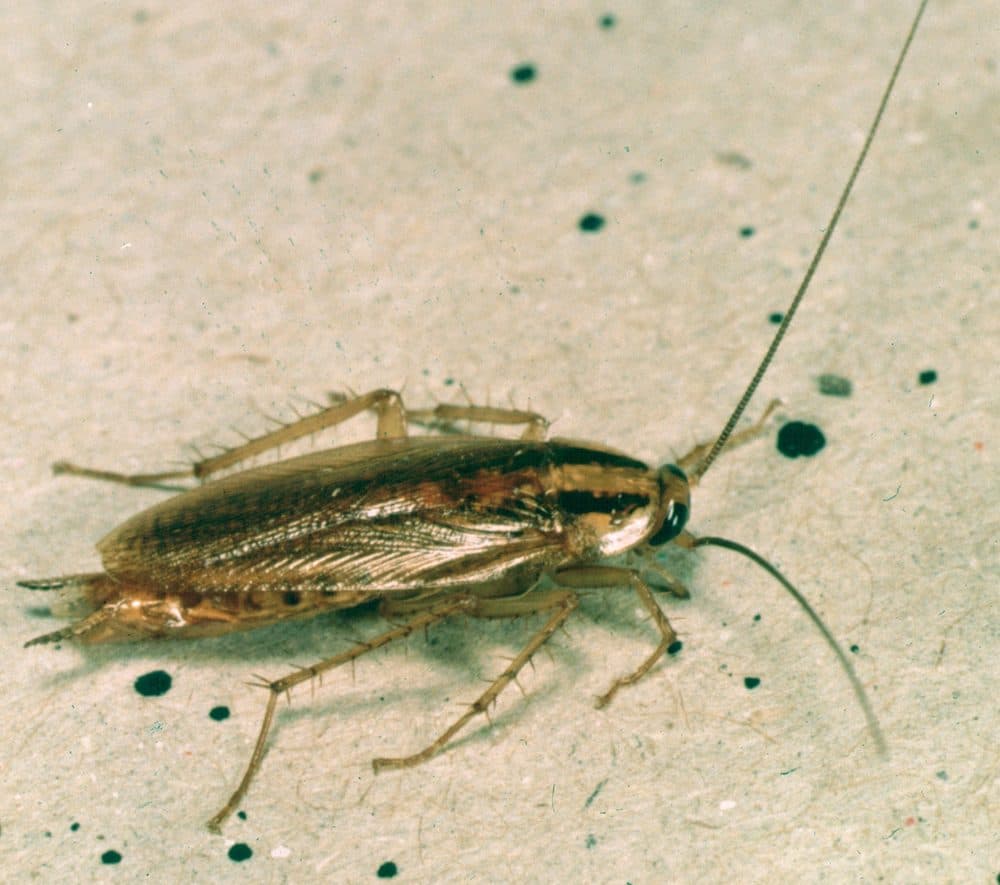
- German cockroach — small (about 1.3–1.6 cm), light brown with two dark stripes behind the head. Prefers warm, humid areas near food and water: kitchens, behind refrigerators, under sinks. The most common indoor species and the hardest to eliminate because of how fast it breeds.
- American cockroach — much larger (up to 5 cm), reddish-brown. Prefers drains, basements, and sewer systems, and tends to wander indoors from outside.
- Oriental cockroach — dark, almost black, and slow-moving. Likes damp, cool areas like drains and crawl spaces.
If you're mostly seeing roaches in the kitchen at night, it's very likely German cockroaches — and that changes your treatment plan.
Why Sprays Alone Don't Work
Store-bought aerosol sprays kill roaches on contact, but they only reach the insects you can see — usually a small fraction of the actual population. Spraying also tends to scatter roaches into wall voids and other hiding spots, making the infestation harder to track. Worse, some populations have developed resistance to common contact insecticides, so repeated spraying can end up training a more resistant population rather than eliminating it.
The IPM Approach: Inspect, Exclude, Treat, Monitor
Professional pest controllers use a method called Integrated Pest Management (IPM), which prioritizes finding and cutting off the source over blanket chemical treatment.
1. Inspect
Use a flashlight to check the usual hotspots at night, when roaches are active:
- Under and behind the refrigerator and stove
- Inside cabinet hinges and corners
- Around the dishwasher and sink pipework
- Inside cardboard boxes and paper bags (roaches love the glue)
2. Exclude
Seal entry points and remove hiding spots:
- Caulk gaps around pipes, baseboards, and cabinets
- Fix leaking faucets — roaches need water more than food
- Store dry food (cereal, pet food, flour) in sealed containers, not the original bags
3. Treat — Gel Bait, Not Spray
Gel bait is the most effective consumer-available treatment for German cockroaches. Roaches eat the bait, return to their hiding spot, and die — and other roaches that eat the droppings or corpse (a behavior called coprophagy) get poisoned too. This creates a cascading effect that a spray can never achieve.
Apply small dots of gel bait (not large blobs) near the hotspots identified during inspection — hinges, corners, under the sink — and avoid spraying insecticide near the bait, since it can repel roaches away from it.
4. Monitor
Sticky glue traps placed in the same hotspots let you track whether the population is shrinking over the following weeks, and help you catch a new infestation early.
When to Call a Professional
If gel baiting for 2–3 weeks doesn't visibly reduce the population, or if you're seeing roaches during the day (a sign of a very large, overcrowded population), it's time to bring in a licensed pest control technician. Professionals have access to insect growth regulators (which stop roaches from reproducing) and non-repellent residual insecticides that aren't available over the counter, and they can treat void spaces inside walls that are impossible to reach with consumer products.
Key Takeaways
- Identify the species before choosing a treatment
- Skip the spray — gel bait targeting hotspots is far more effective for German cockroaches
- Fix moisture problems; roaches need water more urgently than food
- Give any treatment 2–3 weeks before judging results
- A large or persistent infestation is a job for a licensed professional, not more store-bought spray