How to Get Rid of Ants: A Complete Guide
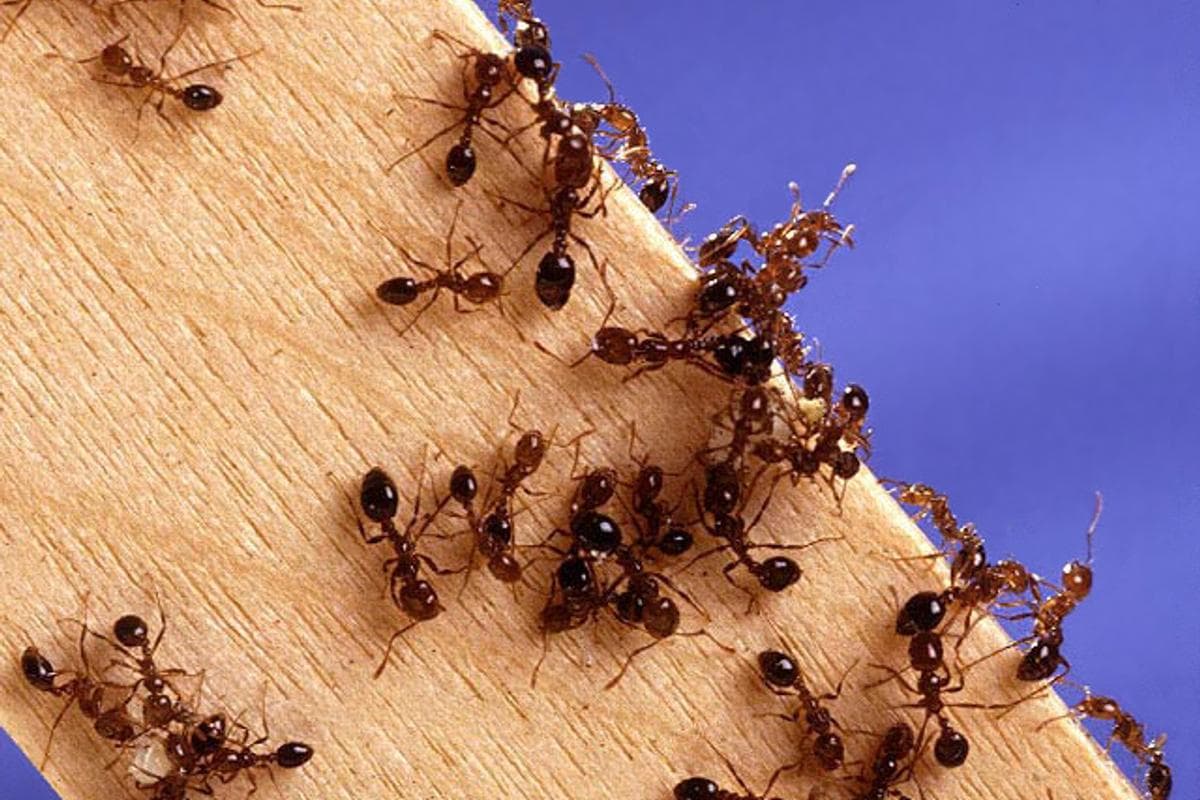
Seeing a trail of ants across a kitchen counter is one of the most common household pest complaints there is — and one of the most commonly mistreated. Wiping out the ants you can see feels productive, but a colony can hold thousands of workers protecting one or more queens, and killing a few dozen foragers barely dents it. Getting rid of ants for good means treating the colony, not the trail.
Identify the Species First
Treatment differs quite a bit depending on which ant you're dealing with.
- Odorous house ants — small, dark brown to black, and release a distinct rotten-coconut smell when crushed. Nest in wall voids, under floors, and near moisture sources. Colonies can have multiple queens and will "bud" — split into several satellite colonies — if disturbed the wrong way.
- Pavement ants — small, dark brown, commonly seen nesting under sidewalk slabs, driveways, and foundation edges, often with small mounds of displaced sand or soil at the entrance.
- Carpenter ants — large (up to 13 mm), black or reddish-black, and unlike termites they don't eat wood — they tunnel through damp or decaying wood to build nests, pushing out small piles of sawdust-like debris as a telltale sign. A large or long-established colony can cause real structural damage, especially around leaks or damp framing.
- Fire ants — reddish-brown, build visible dome-shaped mounds in lawns, and deliver a painful sting (not a bite) when a nest is disturbed. Most people get a itchy, burning welt that fades in a day or two, but some people have a stronger allergic reaction and should seek medical attention if they develop symptoms beyond the sting site, such as widespread swelling or difficulty breathing.
If you're mainly seeing a steady trail heading to a food source indoors, it's most likely odorous house ants or pavement ants. Sawdust piles near window frames or door trim point to carpenter ants. Mounds appearing in the lawn point to fire ants.
Why Spraying the Trail Backfires
A visible trail is only the tip of the colony — most of the workers, the brood, and the queen (or queens) are still safely inside the nest, out of reach of any spray. Two things make blanket spraying actively counterproductive:
- Repellent sprays scatter the colony. Many consumer sprays are repellents, not slow-kill products — ants avoid the sprayed area rather than dying from it, which can push them to relocate deeper into a wall void or split into multiple satellite nests, especially with species like odorous house ants that already bud easily.
- You never reach the queen. Killing foragers on contact does nothing to the reproductive core of the colony, which can simply replace the lost workers within days.
The Bait-Based Approach That Actually Works
1. Find the Trail, Don't Wipe It Away
Before treating anything, resist the urge to clean up the ants you see. Follow the trail as far as you can to understand roughly where it's heading — this tells you where to place bait for the fastest results.
2. Match the Bait to the Season and Species
Ants change their food preference depending on what the colony needs at the time:
- Sweet (sugar-based) bait works best most of the year, especially for odorous house ants and pavement ants
- Protein or grease-based bait often works better in spring, when colonies are focused on raising brood
- Slow-acting bait is the whole point — a fast-killing product only kills the workers that fed on it. A slow-acting bait gives foragers time to carry it back and share it with the rest of the colony, including the queen, through a food-sharing behavior called trophallaxis.
Place small amounts of bait directly on or right next to the trail rather than scattering it randomly, and avoid spraying repellent insecticide near the bait stations — it can stop ants from ever reaching the bait in the first place.
3. Give It Time
Bait treatments typically take one to two weeks to noticeably reduce activity, and it's normal to see more ants at the bait in the first few days as foragers recruit the rest of the colony to the food source — that's a sign the bait is working, not a sign of a worsening infestation.
4. Address the Conditions That Attracted Them
- Wipe up food spills and crumbs promptly, and store dry goods in sealed containers
- Fix leaking taps and damp areas — several common house-ant species are drawn to moisture as much as food
- Trim vegetation, mulch, and woodpiles away from direct contact with the house, since branches and shrubs touching a wall are a common bridge indoors
- Seal obvious gaps around utility lines, window frames, and foundation cracks where trails commonly enter
When to Call a Professional
Carpenter ants and large or multi-nest colonies (particularly odorous house ants that have already budded into several satellite nests) are usually worth bringing in a licensed technician for — professionals have access to non-repellent residual products and specialized bait formulations that aren't sold over the counter, and they can inspect wall voids and structural wood that are impossible to check yourself. Fire ant mounds in a yard used by children or pets, or in a household with anyone who has a known insect-sting allergy, are also worth professional treatment rather than DIY mound drenching, which often only kills part of the colony and can cause the rest to relocate.
Key Takeaways
- Identify the species before choosing a treatment — carpenter ants, fire ants, and indoor trailing ants need different approaches
- Never spray the visible trail — repellent sprays scatter colonies instead of eliminating them
- Slow-acting bait, matched to the season, is what actually reaches the queen and the rest of the colony
- Expect more ant activity at the bait for the first few days — that's the colony recruiting, not the problem getting worse
- Carpenter ants, multi-nest colonies, and fire ant mounds around children, pets, or allergy-prone household members are strong reasons to call a licensed professional