Hospital Pest Control in Malaysia: KKM and MSQH Compliance Explained
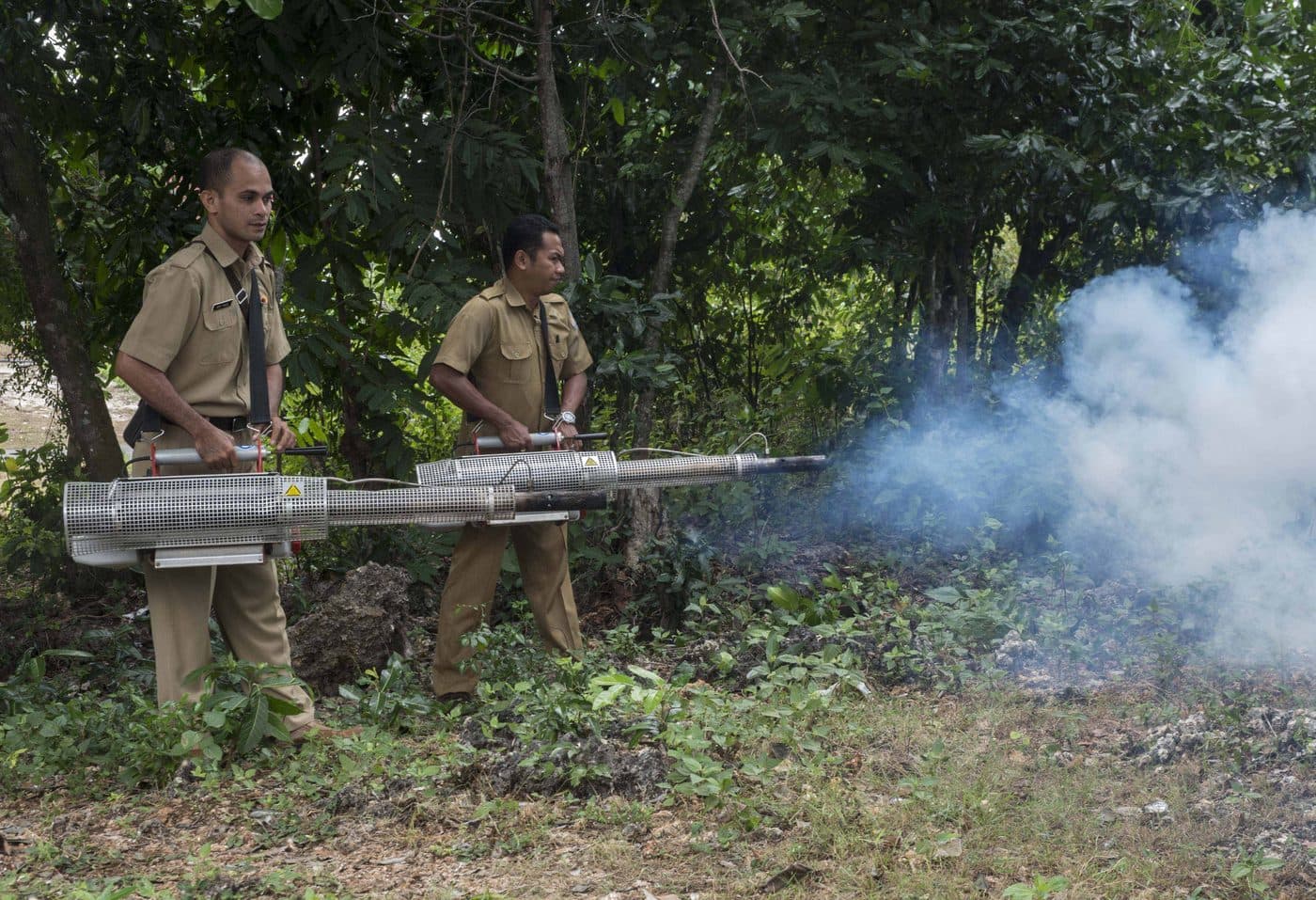
In a hospital, pest control isn't a hygiene nice-to-have — it's an infection control issue with direct accreditation consequences. Malaysia's healthcare pest control expectations are shaped by two main references: the Ministry of Health's (KKM) National Environmental Health Action Plan (NEHAP) vector control guidelines, and the Malaysian Society for Quality in Health (MSQH) hospital accreditation standards — MSQH being the accreditation body formally recognised by the Ministry of Health for Malaysian healthcare facilities.
The KKM Four-Vector Framework
KKM's NEHAP guidance for "priority premises" (a category that includes healthcare facilities) organizes vector and pest control around four target groups:
- Mosquitoes (Nyamuk) — primarily an Aedes / dengue and chikungunya concern; hospitals are expected to actively inspect and eliminate breeding sites on their own grounds (gully traps, AC condensation trays, flowerpot saucers, blocked drains), since healthcare facilities carry a heightened responsibility given the vulnerability of their patient population.
- Rodents (Tikus) — perimeter monitoring, typically via tamper-resistant bait stations, with particular attention to kitchens, waste holding areas, and laundry rooms.
- Cockroaches (Lipas) — monitored and treated primarily via gel baiting and glue boards in kitchens, pharmacy preparation areas, and laboratories.
- Flies (Lalat) — controlled with insect light traps concentrated around kitchens, mortuaries, and medical waste holding rooms.
KKM's separate infection control guidance for healthcare facilities also specifically requires that medical waste storage areas be protected from pest disturbance and maintain adequate lighting and ventilation — a detail auditors do check.
MSQH's Standard 2: Environmental and Safety Services
MSQH accreditation — the standard most Malaysian hospitals are assessed against — includes Vector and Pest Control as one of the required components within Standard 2 (Environmental and Safety Services), alongside occupational safety, fire safety, disaster management, and hazardous material management. In practice this means MSQH surveyors expect:
- A documented, facility-specific pest control programme, not an ad hoc arrangement
- Training records for staff (including outsourced/contracted pest control providers) covering their role in environmental and safety compliance
- Evidence that the programme is actually being followed — service records, not just a policy document sitting in a folder
Zoning the Hospital by Infection Control Risk
A properly designed hospital pest control programme maps the facility into risk zones, because the rules are genuinely different depending on where you are:
- Critical zones — operating theatres, ICU/NICU, Central Sterile Supply Department (CSSD), isolation wards, delivery suites. No liquid or aerosol chemical treatment is used here at all — only physical and mechanical controls, and any pest control work must be scheduled around clinical activity in coordination with the ward's infection control nurse or supervisor.
- Semi-critical zones — general wards, pharmacy, laboratory, outpatient areas.
- High-risk support zones — kitchen and dietetics, medical waste holding rooms, mortuary, laundry, perimeter drainage. These carry the highest pest pressure and receive the most frequent monitoring.
What Gets Documented at Every Visit
For each of the four vector categories, at every monitoring point, a compliant programme records:
- The point's unique ID and location (mapped on a facility layout diagram)
- Species and count found (not just "checked, OK")
- Photographic evidence
- Any corrective action taken
This feeds into a facility-wide monthly or quarterly trend report broken down by vector type — the document MSQH surveyors and internal quality teams use to spot a developing problem before it becomes a finding during a formal survey.
A Practical Checklist for Facility Managers
| Area | What to verify |
|---|---|
| Critical zones (OT/ICU/CSSD/isolation) | Zero chemical spray policy documented and followed; timing coordinated with ward staff |
| Kitchen, waste rooms, mortuary | Highest-frequency monitoring; ILT UV tubes tested for effective output (350–365nm) periodically |
| Mosquito breeding sites | Grounds actively inspected, not just building interior |
| Documentation | Species + count recorded per point, not generic "checked" entries |
| Training | Contracted pest control staff have documented EHS training records on file |
Why This Matters Beyond the Audit
Pest activity in a hospital is not just a compliance checkbox — cockroaches and flies are recognised mechanical vectors for hospital-acquired pathogens, and a rodent or insect problem in a kitchen or CSSD has direct patient safety implications. Getting the documentation right matters because it reflects whether the underlying programme is actually working, not the other way around. It's why Malaysian providers working with healthcare facilities, PestSol among them, tend to structure their service around this same zone-based risk mapping rather than treating a hospital like any other commercial site.
This overview reflects publicly available KKM and MSQH guidance and is not a substitute for direct confirmation with your facility's Infection Prevention and Control (IPC) unit, since exact expectations can vary by facility and accreditation status.