DIY vs Professional Pest Control: Which Is Actually Worth the Cost?
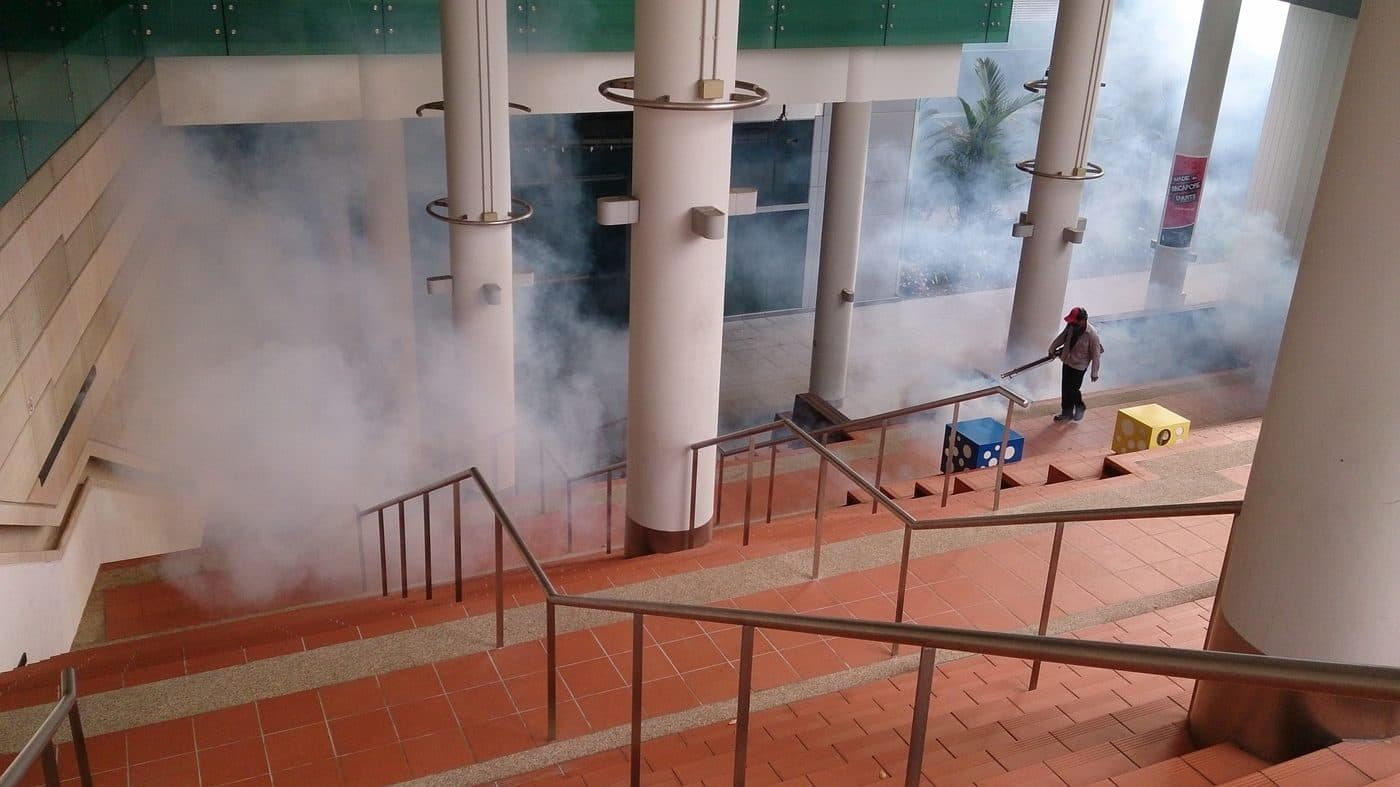
Every pest problem starts with the same question: can I handle this myself, or do I need to call someone? The honest answer depends less on the pest and more on three factors — how far the infestation has already spread, how much your time is worth, and how much a mistake would cost you.
What DIY Pest Control Actually Costs
Consumer pest control products are cheap individually, but the cost adds up faster than people expect:
| Product type | Typical cost |
|---|---|
| Gel bait (roaches, ants) | $8–15 per syringe |
| Glue/sticky traps (pack) | $5–10 |
| Aerosol contact spray | $6–12 per can |
| Rodent snap traps (pack of 4) | $8–15 |
| DIY perimeter spray/granules | $20–40 per bag |
A single round of DIY treatment for a moderate infestation — a few tubes of gel bait, some traps, a bottle of perimeter spray — typically lands somewhere between $40 and $100. The catch is that DIY treatments often need to be repeated 2–3 times before an infestation is under control, and if the first attempt doesn't work, you've spent that money without solving the problem.
What Professional Pest Control Costs
Professional pricing varies significantly by region and pest, but as a general range:
| Service type | Typical cost |
|---|---|
| One-time general pest treatment | $150–350 |
| Recurring quarterly service (per visit) | $100–175 |
| Termite inspection | $75–150 (often free with a service contract) |
| Termite treatment (full property) | $1,200–3,500+ |
| Bed bug treatment | $500–1,500+ |
A professional visit costs more per visit than a can of spray — but it includes an inspection, identification of the actual entry points and species, access to products not available to consumers, and (with most companies) a guarantee that includes free follow-up visits if the pest returns within a set period.
Where DIY Genuinely Makes Sense
- A handful of ants on a countertop — a localized, low-level issue with an obvious food source is a reasonable DIY case.
- Occasional spiders or the odd cockroach sighting — not yet a sign of an established colony.
- You caught it early — the sooner a problem is addressed, the more a simple trap-and-bait approach can actually resolve it.
Where DIY Usually Ends Up Costing More
- Termites — by the time damage is visible, professional-grade treatment is almost always required; DIY termiticide products rarely reach a full colony, and the delay from a failed DIY attempt lets the damage keep compounding.
- Bed bugs — these hide in mattress seams, wall outlets, and furniture joints, and a single missed pocket lets the infestation rebound; DIY success rates are notoriously low.
- German cockroach infestations that are already established — once a population is large, consumer-strength bait often isn't enough to catch up with the reproduction rate.
- Rodents in wall voids or attics — beyond the traps you can physically see, a professional can identify and seal entry points, which is the part that actually stops the problem from recurring.
The Real Comparison: Cost Per Problem Solved
The mistake in comparing DIY vs. professional purely on price per visit is that it ignores failure rate. If a $60 DIY attempt has a 40% chance of actually resolving the issue, the realistic expected cost — factoring in repeat attempts — can end up higher than paying for a professional the first time, especially once you add the value of your own time and the cost of any damage that accumulates while the problem persists.
A Simple Decision Framework
- Is it a single pest species, low in number, caught early? → DIY is reasonable.
- Has it been going on for weeks or months, or are you seeing pests during the day? → Call a professional; the population is likely larger than it looks.
- Is structural damage possible (termites) or is your health directly at risk (bed bugs, disease vectors)? → Skip DIY entirely.
- Have you already tried DIY once without success? → Stop spending on round two; bring in a professional before the problem grows further.
Key Takeaways
- DIY is cost-effective for small, early-stage, localized problems
- Professional treatment usually wins on total cost once you factor in DIY failure and repeat-purchase rates
- Termites, bed bugs, and established infestations are the clearest cases where professional treatment pays for itself
- If a first DIY attempt fails, don't repeat it — that's the signal to call a professional