Bed Bugs 101: How to Identify, Get Rid of, and Prevent an Infestation
Bed bugs don't care how clean your home is. They travel in luggage, secondhand furniture, and used clothing, and once they're inside, they hide so well that most people don't realize they have an infestation until they've already been bitten dozens of times. Unlike cockroaches or ants, bed bugs don't respond well to store-bought sprays — getting rid of them usually takes a combination of heat, thorough cleaning, and patience.
What Bed Bugs Actually Look Like
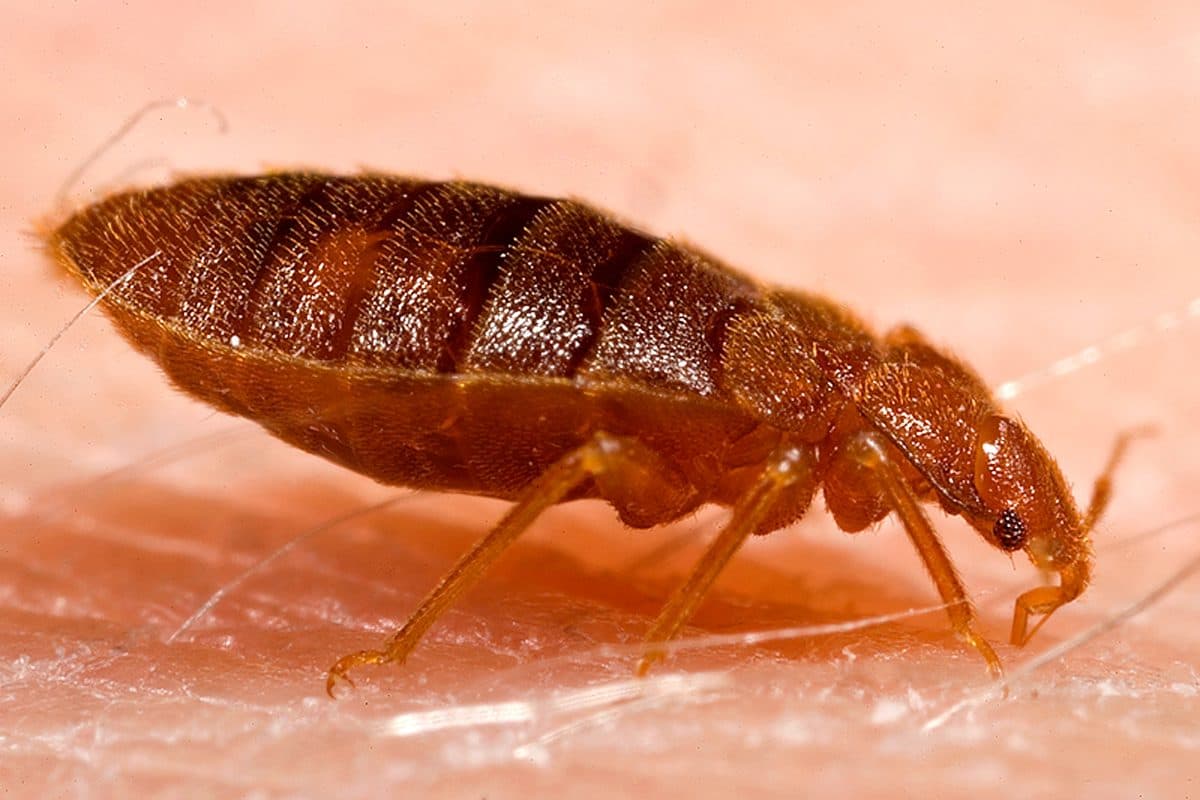
Adult bed bugs are small — about 4-5mm, roughly the size and shape of an apple seed — with flat, oval, reddish-brown bodies that swell up and turn darker red after feeding. Young bed bugs (nymphs) are smaller and nearly translucent or pale yellow, which makes them much harder to spot. Eggs are tiny, whitish, and often stuck in clusters inside seams and crevices.
Because they're flat, bed bugs can hide in spaces as thin as a credit card: mattress seams, box spring frames, behind headboards, inside electrical outlets, along baseboards, and even inside picture frames near a bed.
The Early Warning Signs
Most people find out they have bed bugs from one of these signs, not from actually seeing the insects:
- Bite patterns — small, itchy, red welts, often in a line or cluster of 3-4 (sometimes described as a "breakfast, lunch, dinner" pattern), usually on skin exposed while sleeping
- Rust-colored spots on sheets or mattress seams — these are crushed blood spots, not dirt
- Dark spotting along mattress seams and box spring corners — bed bug fecal matter, which looks like fine black or dark brown dots
- A sweet, musty odor in a heavily infested room, caused by the bugs' scent glands
- Tiny pale shed skins near hiding spots, left behind as nymphs grow
If you notice bite patterns but aren't sure of the cause, checking mattress seams and the box spring with a flashlight is the fastest way to confirm.
Why Bed Bugs Don't Respond to DIY the Way Roaches Do
Bed bugs have three characteristics that make them unusually hard to treat with consumer products:
- They don't need food or water to survive for months. An adult bed bug can go 20-400 days without feeding, so a "wait it out" approach never works.
- Widespread insecticide resistance. Bed bug populations in many parts of the world have developed strong resistance to pyrethroid insecticides — the active ingredient in most consumer sprays — so spraying often does very little even when applied correctly.
- They hide in places sprays can't reach. A contact insecticide only kills bugs it directly touches; it does nothing for eggs and nymphs tucked inside a mattress seam or wall void.
This combination is why pest control professionals lean heavily on heat and mechanical removal rather than chemical treatment alone.
The Treatment Approach That Actually Works
1. Confirm and Contain
Before treating anything, confirm the infestation and stop it from spreading. Avoid moving mattresses, cushions, or upholstered furniture out of the room — this is one of the most common ways bed bugs spread to other rooms.
2. Heat Is the Most Effective Tool
Bed bugs and their eggs die at sustained temperatures above roughly 50°C (122°F). This is why the two most effective consumer-accessible treatments are:
- The clothes dryer — washing infested clothing and bedding on a normal cycle, then running it through a dryer on high heat for at least 30 minutes, reliably kills bed bugs at every life stage
- A quality steamer — a fabric steamer with a wide nozzle, run slowly over mattress seams, bed frame joints, and baseboards, kills bugs and eggs on contact without leaving chemical residue
Whole-room or whole-building heat treatment (raising the room to 50-60°C for several hours using specialized equipment) is one of the most effective single treatments available, but it requires professional equipment and careful execution to avoid damaging electronics, candles, or heat-sensitive items.
3. Vacuum and Encase
Vacuum mattress seams, box spring frames, carpet edges, and baseboards thoroughly, then immediately seal and dispose of the vacuum bag outside the home. After treatment, encase the mattress and box spring in a certified bed bug-proof cover — this traps any survivors inside and starves them, while also making future inspections much easier since there are no exposed seams to hide in.
4. Monitor for Weeks, Not Days
Because eggs can take 6-10 days to hatch and nymphs need to feed before becoming visible again, a single treatment round is rarely enough. Interceptor traps placed under bed and furniture legs let you track whether activity is dropping over the following 2-4 weeks without having to tear the room apart to check.
When to Call a Professional
Bed bugs are one of the pests where professional treatment consistently outperforms DIY, especially once an infestation has spread beyond a single piece of furniture. A licensed technician can access heat treatment equipment, use non-pyrethroid products that get around common resistance issues, and treat wall voids and adjoining units in apartment buildings — something no consumer product can do. If bites are continuing after 2-3 weeks of DIY heat and vacuum treatment, or if the infestation has spread to more than one room, it's time to bring in a professional.
Preventing Bed Bugs From Coming Home With You
Since bed bugs almost always arrive via travel or secondhand items rather than "growing" in a clean home, prevention is mostly about inspection habits:
- Check hotel mattress seams and headboards before unpacking, and keep luggage off the bed and floor
- Inspect secondhand furniture, especially upholstered pieces and mattresses, before bringing it inside
- Wash and dry travel clothing on high heat as soon as you get home, even if you didn't see any signs of bugs
- Use a bed bug-proof mattress encasement as a standing precaution — it removes the biggest hiding spot in the room before an infestation can even start
Key Takeaways
- Bite patterns and rust-colored spotting on mattress seams are usually the first real clue, not seeing the bugs themselves
- Sprays alone routinely fail due to resistance and hiding spots — heat (dryer, steamer, or professional heat treatment) is the most reliable tool
- Mattress and box spring encasements make treatment more effective and prevention much easier going forward
- Give any treatment 2-4 weeks of monitoring before assuming it worked
- A spreading or persistent infestation is one of the clearest cases where a licensed professional outperforms DIY