Are Termites Dangerous? What Every Homeowner Should Know
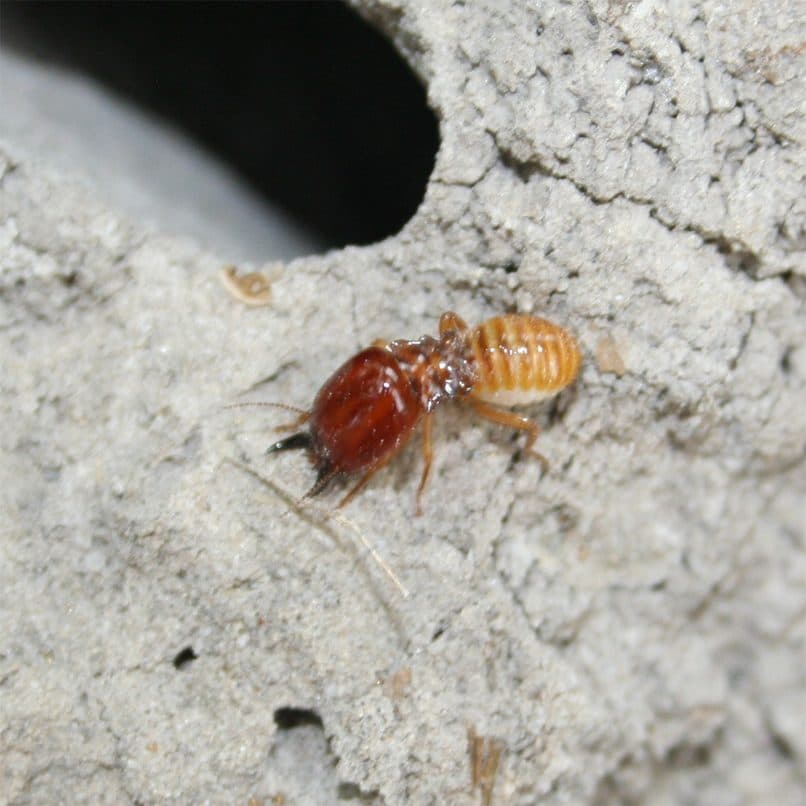
Termites have a strange reputation problem: people worry about them the way they worry about venomous spiders, but the actual danger has nothing to do with bites or bacteria. Termites are almost never dangerous to your health directly. They're dangerous to your house — and by extension, to your finances.
The Real Risk: Structural Damage, Not Disease
Termites feed on cellulose, the main component of wood. A mature subterranean termite colony can consume wood 24 hours a day, 365 days a year, and colonies can number in the hundreds of thousands. Left undetected, they can hollow out structural beams, floor joists, and wall studs from the inside — which is exactly why termite damage is so often discovered too late: the wood can look fine on the surface while being structurally compromised underneath.
Industry estimates put the annual cost of termite damage in the tens of billions of dollars globally, and in most home insurance policies, termite damage is explicitly excluded — insurers treat it as a maintenance issue, not a covered peril. That combination (silent damage + no insurance coverage) is what makes termites a genuinely serious problem, even without any health risk attached.
Health Risks: Minimal, But Not Zero
- Termites do not bite or sting humans in any meaningful way, and they don't transmit disease.
- The main indirect health concern is for people with dust or mold allergies: termite-damaged wood, and the moisture that often accompanies an infestation, can contribute to mold growth.
- Termite droppings (frass) from drywood termites can occasionally trigger mild respiratory irritation in sensitive individuals, but this is a minor concern compared to the structural issue.
Warning Signs You Shouldn't Ignore
- Mud tubes — pencil-width tunnels running along foundation walls, which subterranean termites build to travel between the soil and the wood they're feeding on while staying protected from open air.
- Discarded wings — after a colony matures, winged reproductive termites ("swarmers") leave to start new colonies; finding small, uniform, translucent wings near windowsills or light fixtures is a strong sign of an active or nearby colony.
- Hollow-sounding wood — tapping on a wooden beam or skirting board that sounds papery or hollow rather than solid.
- Tight-fitting doors and windows — termite activity can warp wood subtly as they tunnel through it.
- Frass — small, pellet-like droppings that look like sawdust or coffee grounds, a signature sign of drywood termites.
Prevention Matters More Than Cure
Because termite damage compounds silently over months or years, prevention and early detection are far cheaper than remediation:
- Keep soil and mulch at least 15–20 cm below any wood siding or framing
- Fix leaking pipes, gutters, and AC condensation lines — moisture is what attracts termites in the first place
- Store firewood away from the house, and never stack it directly against an exterior wall
- Schedule a professional termite inspection annually, especially in humid, high-risk climates
Bait Stations vs. Soil Treatment vs. Corrective Treatment
Professional termite control generally falls into three categories:
- Bait stations — installed around the property perimeter, these use slow-acting insecticide that worker termites carry back to the colony, eventually collapsing it. Lower disruption, but slower to show results.
- Liquid soil treatment (termiticide barrier) — creates a chemical barrier in the soil around the foundation that kills termites on contact or as they try to cross it.
- Corrective treatment — for an active infestation already inside the structure, which may involve localized wood treatment, drilling and injecting foam or liquid termiticide directly into affected areas.
Key Takeaways
- Termites are a property risk, not a health risk — but the financial exposure is real and usually not covered by insurance
- Damage happens silently, often for months before it's visible
- Mud tubes, discarded wings, and hollow-sounding wood are the three signs to actively check for
- Annual professional inspection is the cheapest insurance policy against a five- or six-figure repair bill